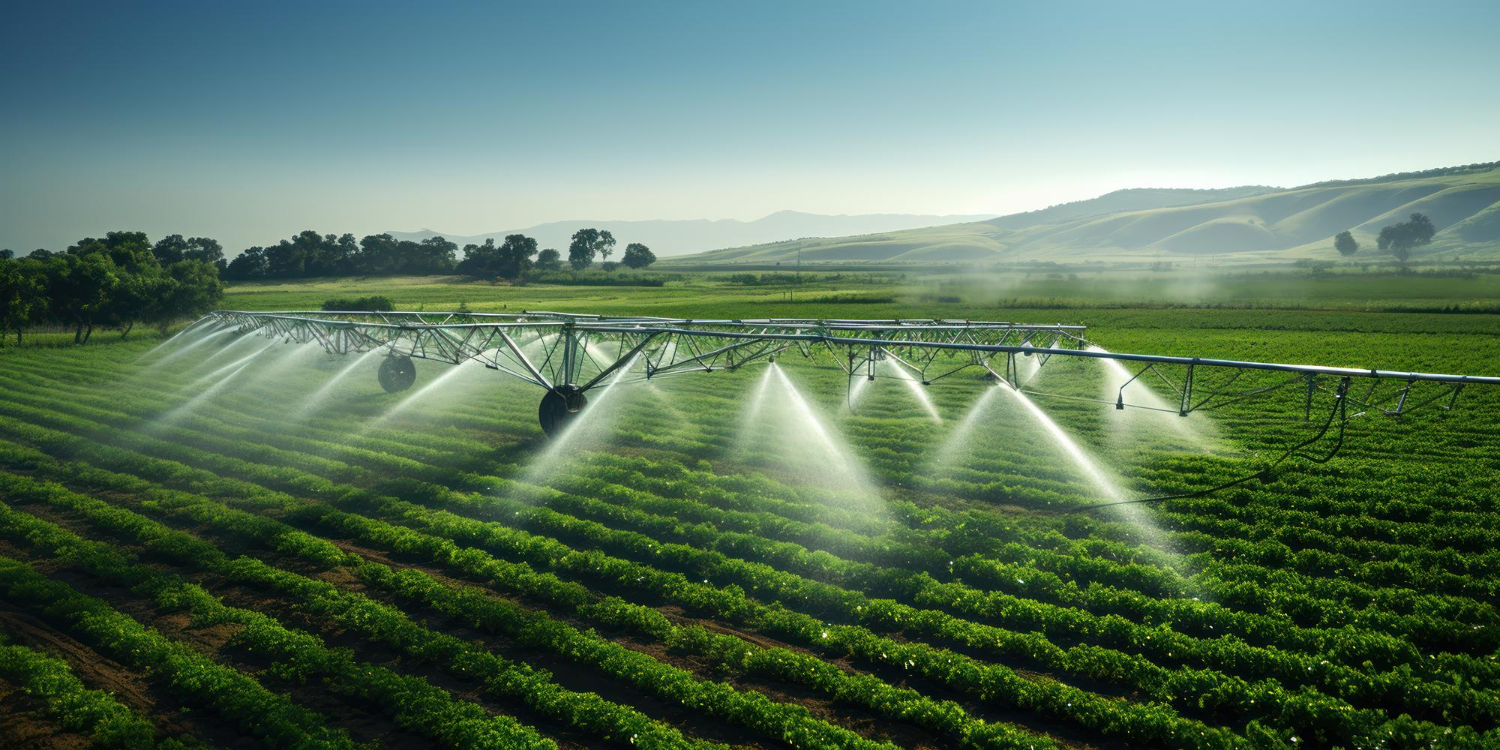
น้ำเป็นทรัพยากรที่มีความสำคัญอย่างยิ่งต่อการดำรงชีวิตของมนุษย์และการเจริญเติบโตของพืช โดยเฉพาะอย่างยิ่งในภาคการเกษตรซึ่งต้องใช้น้ำในปริมาณมาก อย่างไรก็ตาม การใช้น้ำอย่างไม่มีประสิทธิภาพอาจส่งผลกระทบร้ายแรงต่อสิ่งแวดล้อม ดังนั้น การจัดการน้ำในการเกษตรอย่างเหมาะสมจึงเป็นสิ่งสำคัญที่จะช่วยลดผลกระทบดังกล่าว 1.เทคโนโลยีการให้น้ำแบบประหยัด การนำเทคโนโลยีการให้น้ำแบบประหยัดมาใช้ในภาคการเกษตร เช่น ระบบการให้น้ำแบบหยดและการให้น้ำด้วยสปริงเกลอร์ ช่วยให้สามารถควบคุมปริมาณน้ำที่ใช้ได้อย่างแม่นยำ ลดการสูญเสียน้ำจากการระเหย และทำให้น้ำกระจายไปยังรากพืชได้อย่างทั่วถึง ส่งผลให้ประหยัดน้ำและลดการปล่อยก๊าซเรือนกระจกจากการสูบน้ำ 2.การเก็บกักและการนำน้ำกลับมาใช้ใหม่ การเก็บกักน้ำฝนและน้ำจากแหล่งน้ำธรรมชาติในฤดูฝน และการนำน้ำทิ้งจากการเกษตรกลับมาใช้ใหม่หลังจากผ่านกระบวนการบำบัด เป็นวิธีการที่ช่วยลดการพึ่งพาแหล่งน้ำจากระบบชลประทานและแหล่งน้ำบาดาลซึ่งมีจำกัด นอกจากนี้ยังช่วยลดปัญหาน้ำท่วมและการปนเปื้อนของแหล่งน้ำธรรมชาติอีกด้วย 3.การปรับปรุงคุณภาพดิน การเพิ่มปริมาณอินทรียวัตถุในดิน เช่น ด้วยการใส่ปุ๋ยคอกหรือปุ๋ยหมัก จะช่วยเพิ่มความสามารถในการอุ้มน้ำของดิน ทำให้พืชสามารถดูดซับน้ำได้ดีขึ้น และลดความจำเป็นในการให้น้ำบ่อยครั้ง นอกจากนี้ การปลูกพืชคลุมดินหรือการไถกลบตอซังก็เป็นวิธีการที่ช่วยรักษาความชื้นในดินได้เช่นกัน 4.การวางแผนการเพาะปลูกอย่างเหมาะสม การเลือกชนิดพืชและช่วงเวลาในการเพาะปลูกให้เหมาะสมกับสภาพภูมิอากาศและปริมาณน้ำฝนในแต่ละพื้นที่ จะช่วยลดความต้องการใช้น้ำจากระบบชลประทาน เกษตรกรสามารถปลูกพืชที่ทนแล้งในช่วงฤดูแล้ง หรือปลูกพืชในช่วงที่มีปริมาณน้ำฝนเพียงพอ ซึ่งจะช่วยประหยัดน้ำและค่าใช้จ่ายในการให้น้ำได้อย่างมาก สรุป การจัดการน้ำในการเกษตรอย่างมีประสิทธิภาพเป็นกุญแจสำคัญในการลดผลกระทบต่อสิ่งแวดล้อม ไม่ว่าจะเป็นการนำเทคโนโลยีการให้น้ำแบบประหยัดมาใช้ การเก็บกักน้ำและนำน้ำกลับมาใช้ใหม่ การปรับปรุงคุณภาพดิน หรือการวางแผนการเพาะปลูกอย่างเหมาะสม ล้วนเป็นวิธีการที่ช่วยลดการใช้น้ำ ลดการปล่อยก๊าซเรือนกระจก และรักษาความสมดุลของระบบนิเวศน์ไว้ได้
Continue Reading....การใช้ปุ๋ยอินทรีย์เพื่อลดผลกระทบต่อสิ่งแวดล้อม
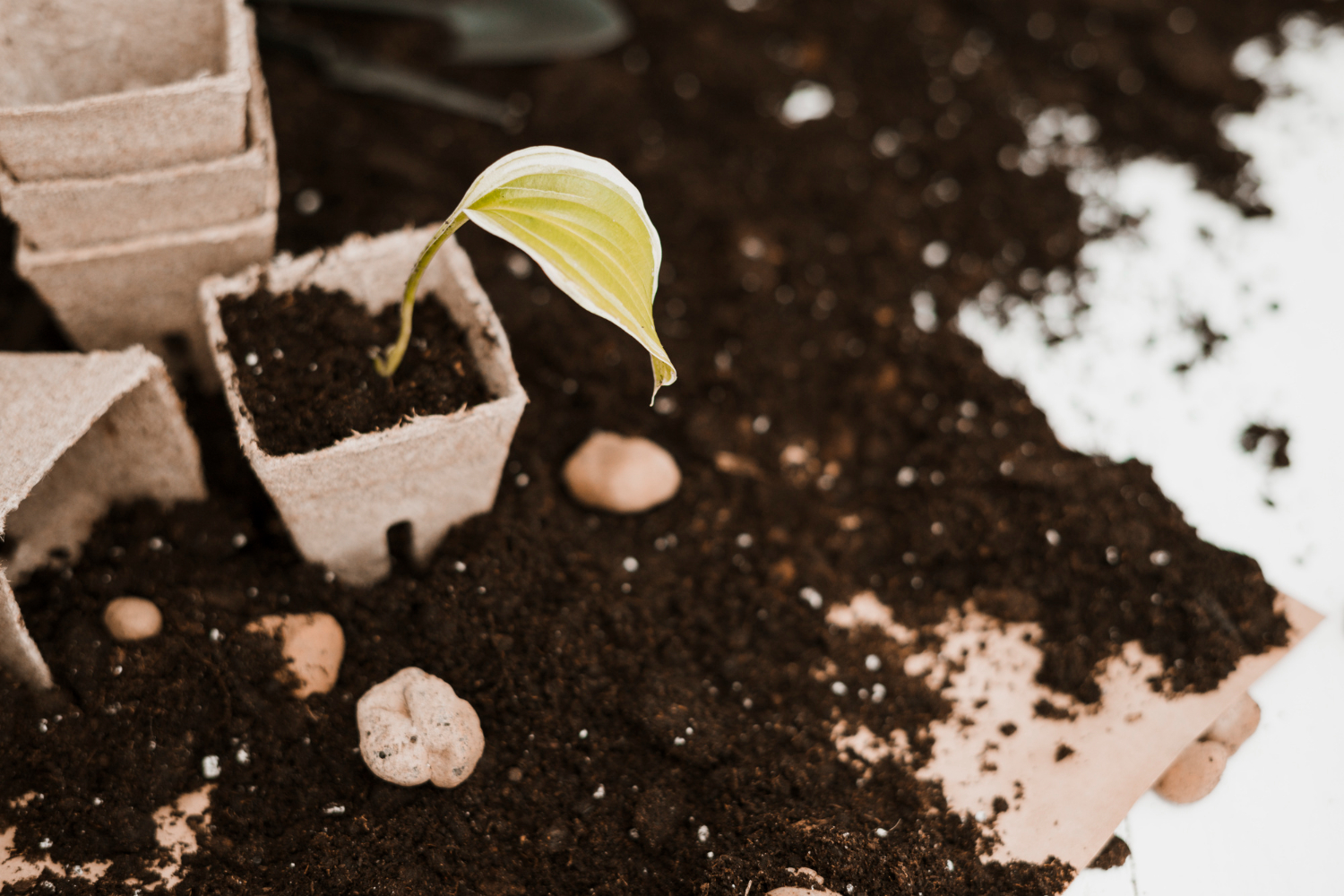
ในปัจจุบัน ภาคการเกษตรต้องเผชิญกับความท้าทายหลายประการ โดยเฉพาะอย่างยิ่งการรักษาระดับผลผลิตให้เพียงพอต่อความต้องการของประชากรโลกที่เพิ่มขึ้นอย่างต่อเนื่อง พร้อมกับการลดผลกระทบต่อสิ่งแวดล้อม การใช้ปุ๋ยอินทรีย์ถือเป็นทางเลือกหนึ่งที่ช่วยตอบโจทย์ทั้งสองประเด็นได้อย่างลงตัว 1.ความหมายและประเภทของปุ๋ยอินทรีย์ ปุ๋ยอินทรีย์ หมายถึง ปุ๋ยที่ได้มาจากวัสดุที่เคยมีชีวิต ไม่ว่าจะเป็นพืช สัตว์ หรือจุลินทรีย์ โดยปุ๋ยอินทรีย์สามารถแบ่งออกเป็นหลายประเภท ได้แก่ ปุ๋ยคอก ปุ๋ยหมัก ปุ๋ยพืชสด และปุ๋ยชีวภาพ แต่ละประเภทมีคุณสมบัติและกรรมวิธีการผลิตที่แตกต่างกันออกไป แต่ล้วนแล้วแต่มีจุดมุ่งหมายเพื่อปรับปรุงคุณภาพดินและจัดหาธาตุอาหารให้แก่พืช 2.ประโยชน์ของการใช้ปุ๋ยอินทรีย์ต่อสิ่งแวดล้อม การใช้ปุ๋ยอินทรีย์มีประโยชน์ต่อสิ่งแวดล้อมหลายประการ โดยเริ่มต้นจากการช่วยลดการปล่อยก๊าซเรือนกระจก เนื่องจากกระบวนการผลิตปุ๋ยอินทรีย์ไม่ต้องใช้พลังงานมากนัก นอกจากนี้ ปุ๋ยอินทรีย์ยังช่วยเพิ่มความอุดมสมบูรณ์ของดิน ทำให้ดินมีความสามารถในการอุ้มน้ำและดูดซับธาตุอาหารได้ดีขึ้น ซึ่งจะส่งผลให้ต้องใช้ปุ๋ยเคมีและสารเคมีการเกษตรลดลง 3.กระบวนการผลิตปุ๋ยอินทรีย์ กระบวนการผลิตปุ๋ยอินทรีย์มีความซับซ้อนน้อยกว่าการผลิตปุ๋ยเคมี โดยสามารถผลิตได้จากวัสดุเหลือใช้ทางการเกษตร ขยะอินทรีย์จากครัวเรือน หรือมูลสัตว์ วัสดุเหล่านี้จะถูกนำมาหมักด้วยจุลินทรีย์ภายใต้สภาวะที่เหมาะสม เพื่อให้ได้ปุ๋ยอินทรีย์ที่มีคุณภาพสูง ไม่เพียงแต่ช่วยลดปริมาณขยะเท่านั้น แต่ยังเป็นการนำวัสดุเหลือใช้กลับมาใช้ประโยชน์อีกครั้ง 4.ข้อจำกัดและแนวทางในการส่งเสริมการใช้ปุ๋ยอินทรีย์ แม้ว่าการใช้ปุ๋ยอินทรีย์จะมีข้อดีมากมาย แต่ก็มีข้อจำกัดบางประการ เช่น ผลผลิตอาจต่ำกว่าการใช้ปุ๋ยเคมี และต้องใช้ปริมาณมากกว่า ทำให้มีต้นทุนการขนส่งสูงขึ้น อย่างไรก็ตาม ข้อจำกัดเหล่านี้สามารถแก้ไขได้ด้วยการวิจัยและพัฒนาเทคนิคการผลิตปุ๋ยอินทรีย์ที่มีประสิทธิภาพมากขึ้น รวมถึงการสนับสนุนจากภาครัฐในด้านการให้ความรู้และสิทธิประโยชน์แก่เกษตรกร สรุป การใช้ปุ๋ยอินทรีย์เป็นทางเลือกที่ดีในการลดผลกระทบต่อสิ่งแวดล้อมจากภาคการเกษตร ด้วยคุณสมบัติที่เป็นมิตรต่อสิ่งแวดล้อม…
Continue Reading....วิธีการลดโลกร้อนด้วยเทคโนโลยีในการเกษตร
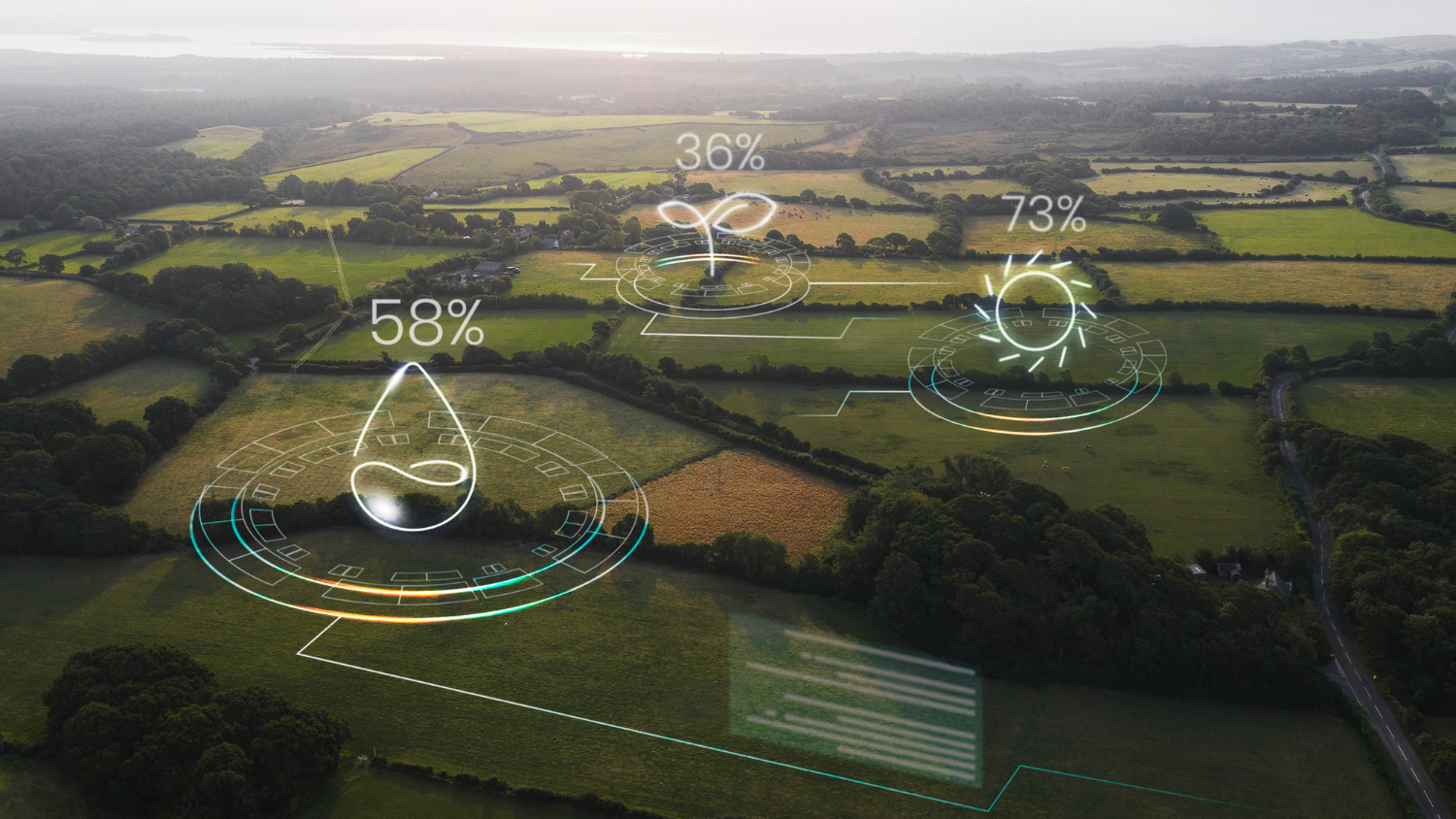
ปัญหาโลกร้อนได้ทวีความรุนแรงขึ้นเรื่อยๆ ส่งผลกระทบอย่างมากต่อภาคการเกษตร ซึ่งเป็นรากฐานสำคัญของความมั่นคงด้านอาหารของมนุษยชาติ การนำเทคโนโลยีมาประยุกต์ใช้ในภาคเกษตรจึงเป็นหนึ่งในแนวทางสำคัญที่จะช่วยลดผลกระทบจากปัญหาโลกร้อนได้อย่างยั่งยืน 1.เทคโนโลยีการให้น้ำแบบแม่นยำ (Precision Irrigation) การใช้เทคโนโลยีการให้น้ำแบบแม่นยำช่วยให้สามารถควบคุมปริมาณน้ำที่ใช้ในการเพาะปลูกได้อย่างมีประสิทธิภาพ ลดการสูญเสียน้ำ และประหยัดพลังงานในการสูบน้ำ เทคโนโลยีนี้รวมถึงระบบการให้น้ำแบบหยดและระบบสเปรย์น้ำแบบควบคุมด้วยคอมพิวเตอร์ ช่วยลดการปล่อยก๊าซเรือนกระจกจากการผลิตพลังงานสำหรับระบบชลประทาน 2.ปุ๋ยชีวภาพและสารควบคุมการเจริญเติบโต การใช้ปุ๋ยชีวภาพและสารควบคุมการเจริญเติบโตของพืช เช่น จุลินทรีย์ปฏิปักษ์และฮอร์โมนพืช ช่วยเพิ่มประสิทธิภาพการดูดซับธาตุอาหารของพืช ลดความจำเป็นในการใช้ปุ๋ยเคมีซึ่งเป็นสาเหตุหนึ่งของการปล่อยก๊าซเรือนกระจก นอกจากนี้ยังช่วยเพิ่มความต้านทานของพืชต่อสภาพแวดล้อมที่รุนแรงจากการเปลี่ยนแปลงสภาพภูมิอากาศ 3.เทคโนโลยีการเกษตรแม่นยำ (Precision Agriculture) เทคโนโลยีการเกษตรแม่นยำประกอบด้วยระบบนำร่องด้วยดาวเทียม เซนเซอร์ตรวจวัดสภาพดิน และโดรนสำรวจพื้นที่ ช่วยให้เกษตรกรสามารถวางแผนการผลิต ติดตามสภาพแวดล้อม และปรับปรุงวิธีการจัดการที่ดินได้อย่างมีประสิทธิภาพ ลดการใช้ปุ๋ย ยาปราบศัตรูพืช และน้ำมากเกินความจำเป็น จึงช่วยลดการปล่อยก๊าซเรือนกระจก 4.พลังงานทดแทนในการเกษตร การนำพลังงานทดแทนมาใช้ในภาคการเกษตร เช่น พลังงานแสงอาทิตย์ พลังงานลม และพลังงานชีวมวล ช่วยลดการปล่อยก๊าซเรือนกระจกจากการใช้เชื้อเพลิงฟอสซิล พลังงานเหล่านี้สามารถนำมาใช้ในระบบไฟฟ้า เครื่องจักรกลการเกษตร และระบบทำความร้อนและท ำความเย็น ส่งผลให้ภาคการเกษตรมีการปล่อยคาร์บอนต่ำลง สรุป เทคโนโลยีต่างๆ ที่นำมาประยุกต์ใช้ในภาคการเกษตร ไม่ว่าจะเป็นระบบการให้น้ำแม่นยำ ปุ๋ยชีวภาพและสารควบคุมการเจริญเติบโต เทคโนโลยีการเกษตรแม่นยำ…
Continue Reading....